Common misconceptions cloud our understanding of both eating disorders and OCD. Eating disorders often carry the stereotype of being a vain preoccupation of young women overly concerned about their appearance, while OCD might be simplistically imagined as an overzealous commitment to cleanliness or order. Contrary to common perception, the lifetime presence of OCD is considerably widespread, affecting 2.3% of the US population, making it far more common than initially assumed. Similarly, with eating disorders, 1 out of every 10 adults in the US will develop an eating disorder in their lifetime.
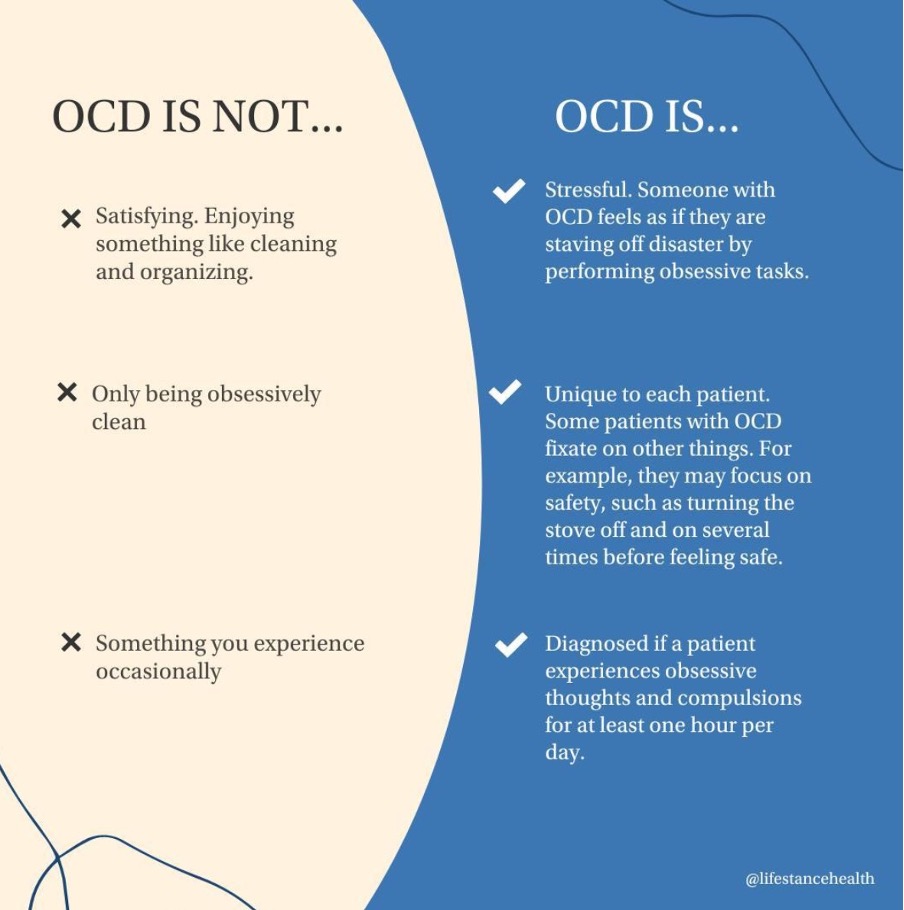
Eating disorders span across all genders, ages, and cultural backgrounds, with sufferers caught in a destructive cycle of food and body image obsession, often accompanied by harmful eating behaviors. OCD, on the other hand, isn’t merely about being tidy. It’s a persistent condition where individuals grapple with incessant, intrusive thoughts (obsessions) and feel compelled to perform certain actions (compulsions) to alleviate their distress.
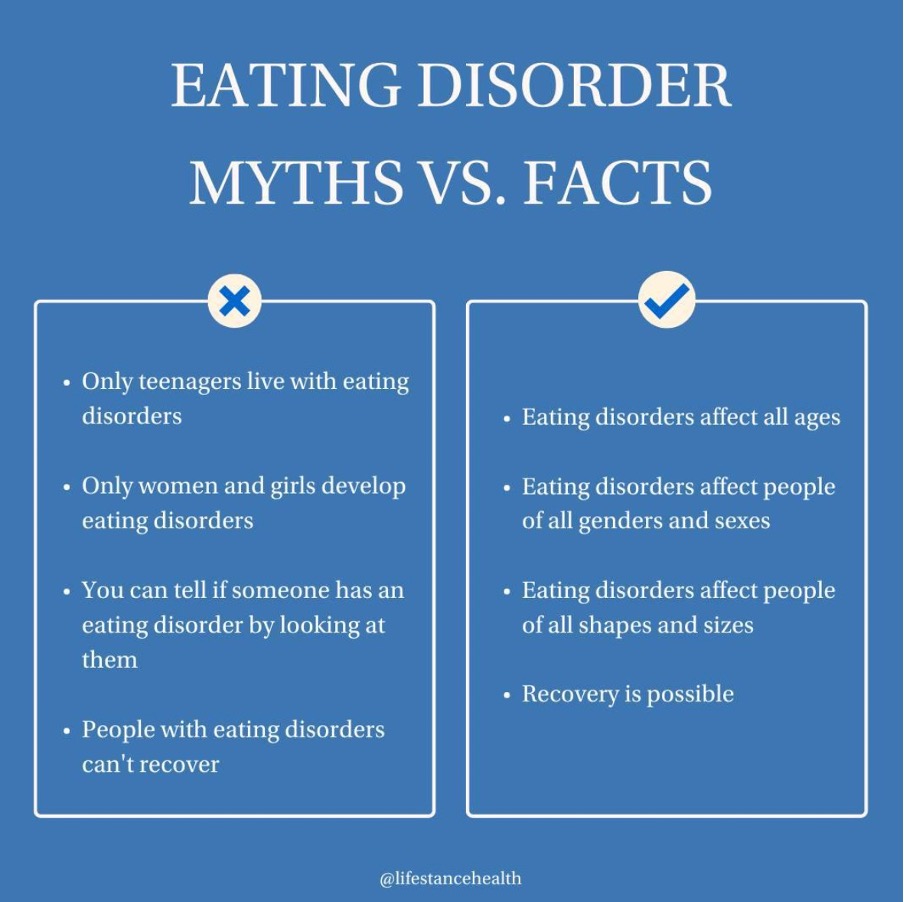
Beneath the surface, there’s a significant overlap between these two disorders, manifesting in the form of shared symptoms like obsessions and compulsions. By moving past these stereotypes, we can foster a more nuanced understanding of these conditions, paving the way for improved identification, compassion, and care.
 Share
Share