The landscape of ADHD diagnosis is shifting. Although ADHD is typically identified during childhood (between ages 3 and 17), there’s a noticeable increase in adult ADHD diagnoses. Several factors contribute to this surge:
Past Diagnosis Gaps: A significant number of adults remained undiagnosed with ADHD in their childhood due to societal stigma and limited comprehension of the condition.
Elevated Awareness: The public is becoming more informed about ADHD with the emergence of increased research, making it easier to recognize the condition’s manifestations in adulthood.
Advanced Mental Health Understanding: The mental health community is better equipped to detect and diagnose ADHD in adults with the establishment of official diagnostic criteria.
Increased Mental Health Acceptance: Society is becoming more accepting of mental health treatment, encouraging adults to seek help. Prevalence of social media is leading the charge in bringing mental health awareness to the forefront.
Diagnostic Tools: The availability of standardized and validated screening tools facilitates accurate ADHD diagnosis.
Social environment: Adults may also be less frequently diagnosed with ADHD primarily because they are no longer immersed in an educational environment that facilitates early recognition.
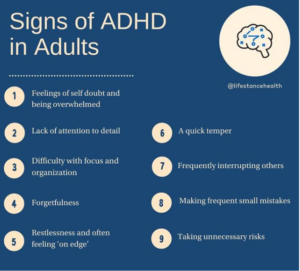
Statistics suggest up to 6% of adults in the US live with ADHD, yet only a fraction have been formally diagnosed or treated. Receiving an ADHD diagnosis as an adult might initially overwhelm you, leaving you uncertain about the next steps. Rest assured, LifeStance Health providers specializing in adult ADHD have invaluable insights to guide you through this pivotal phase.
 Share
Share